Few organizations sustain performance across generations without anchoring themselves in something deeper than strategy. Century-long durability in mission-driven institutions rarely happens by accident; it reflects deliberate choices about how culture is formed, reinforced, and protected over time. Kieve Wavus Education operates within this broader reality of long-term organizational survival, where endurance depends on more than stated values.
Its approach centers on institutionalizing culture through shared, repeated, and often demanding experiential learning. Rather than relying on slogans or surface-level alignment, the organization embeds its principles into lived practice. Leaders, staff, and participants are consistently immersed in a mission grounded in empowerment and self-reliance. These experiences are intentionally designed to reinforce core values, ensuring that culture is not aspirational rhetoric but operational reality. This philosophy mirrors The Third Layer’s conviction that sustained performance stems from deliberately cultivating the human dimension of an organization.
The result is measurable longevity. A century of success demonstrates that when values are actively lived and systems are structured to promote empowerment and long-term resilience instead of short-term control, organizational legacy becomes not only possible, but durable.
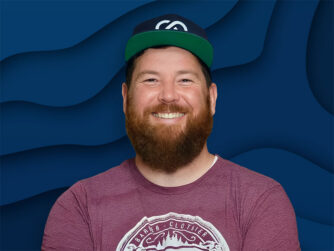
About Sam Kennedy
Sam Kennedy, the fourth-generation leader of Kieve Wavus Education, details the hundred-year journey of the family-founded summer camp and non-profit, offering critical lessons on building an enduring organizational culture. The organization was transitioned to a non-profit in the 1970s by his grandfather to ensure its long-term health and good governance. Kennedy emphasizes that the culture is built on experiential learning, using the rigorous demands of wilderness trips and communal living to instill values like courage, perseverance, and loyalty.
For family business leaders, the episode highlights the necessity of structured progression, authentic traditions, and rigorous talent selection to maintain cultural fidelity. Kennedy, who returned to the camp after a career in venture capital, aims for a legacy defined by empowerment, ensuring the organization can thrive even without a Kennedy steering the ship. This focus on developing internal leadership and scaling the mission through shared, challenging experiences is key to ensuring the organization endures for another century.
Insights From The Conversation
“The culture is very, very difficult to describe. And so it takes someone who’s really been living a culture, who’s steeped in that culture to understand it and then then propel it and…”.
“I would like my legacy to be that I empowered people to lead this place… it is a bigger organization than, you know, one that only my family can run. And I think I will have succeeded at least in some way if the leaders… can function and really function well without me or even a Kennedy here”.
“I thought it was a good opportunity for me personally to be back here and it fit some of my bigger life goals around just impacting other people or enabling people to make a positive difference”.
Big Ideas & Takeaways
Longevity through Governance Transition: The crucial decision made by the prior generation to convert the camp into a non-profit, building a board of trustees and accepting donations to guarantee the organization’s long-term health and good governance.
The Intentional Use of Rigor and Risk: Cultivating culture through shared, challenging, “type two fun” experiences, like wilderness trips and the Mud Pond portage, which foster self-reliance, trust, and teamwork.
Succession and Empowerment: Shifting the leadership model from a singular, strong family leader (grandfather/father) to one focused on empowering a diverse leadership team, ensuring the organization can function effectively independent of the family name.
Cultural Fidelity in Hiring: Prioritizing hiring slowly and selecting candidates based on their deep understanding of the culture; approximately two-thirds of the staff are alumni, as it takes time to learn the organizational culture.
Rituals as Consistency Enablers: Using authentic, non-gimmicky traditions and routines (such as daily flagpole gatherings, Sunday pancake tosses, and end-of-session bonfires) to build familiarity, comfort, and pride across generations.
The Power of Sacred Storytelling: Actively maintaining the organization’s history through annuals and encouraging the sharing of authentic, emotional stories about overcoming shared challenges, which adds to the organization’s “lore”.