

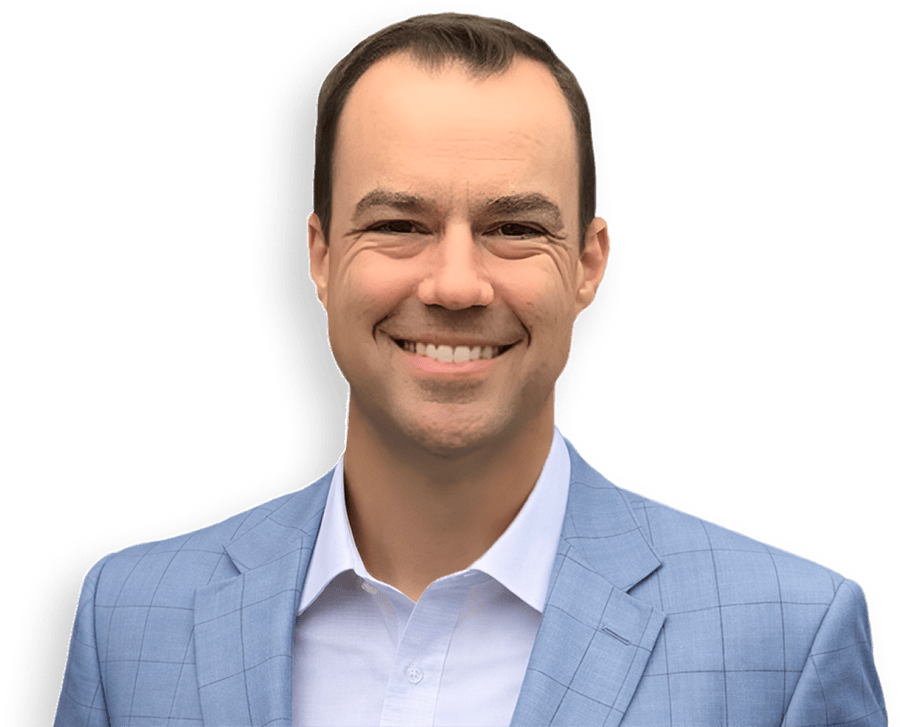
Michael Hoehn, CEO of Automatic Systems Inc. shares a rare and candid look into a family-owned industrial success story rooted in Detroit’s automotive heritage. Michael describes how his father, Bob, a former GM engineer, acquired Automatic Systems Inc. in 1981, scaled it, sold during a market peak in 1998, and in a remarkable move reacquired the business in 2002 for pennies on the dollar when the industry declined.
Michael reflects on his own unexpected journey into leadership. Initially a turnaround consultant, he joined Automatic Systems Inc. on a trial basis after recognizing an opportunity to build an organization aligned with his personal values prioritizing people, long-term thinking, and what he calls a “humble toilet culture,” where no one is above any task.
About Michael Hoehn
Michael Hoehn, President or CEO of ASI for over 20 years, shares a compelling narrative of leadership, growth, and the unique dynamics of a family business that builds the “heart of automotive plants” by designing and installing automated handling systems. The company’s journey began over 40 years ago when Michael’s father, a former GM engineer, acquired it with a partner in 1981, seeing an opportunity for entrepreneurship through acquisition. After selling the business in 1998 during a market peak, they reacquired it in 2002 for “pennies on the dollar” when the buyer decided to divest, aiming to “rescue our team” and “right the ship” from short-term decision-making under public ownership.
Michael, initially resistant to joining the family business, brought a background in consulting and restructuring from PwC. He eventually joined ASI, initially for a trial period, to ensure a mutual fit, learning the “business of the business” rather than the engineering specifics. He transitioned into the president’s role through a deliberate handover from a predecessor who championed his readiness. Under his leadership, ASI has seen substantial growth, from 125-150 employees to nearly 500, especially after securing a strategic customer project in 2019 that doubled revenue and headcount in two years. This growth was managed by intentionally reinforcing a humble, team-oriented culture and prioritizing people, turning potential challenges into opportunities to strengthen the organization.
Insights From The Conversation
“We take care of our people and our people take care of our customer and doing that takes care of the business. If you get that out of order, things probably get a lot more complicated.”
“People don’t stick because of what we wrote down and they don’t stick just because of the customers and they’ll work, they stick because of the teammates that are here.”
“My mantra when I first came in the door was, hey, kid, don’t screw this up. I don’t think I’ve lost that mantra. I think that’s still on the forefront of my mind…”
Big Ideas & Takeaways
Strategic Acquisition & Reacquisition: The strategic decision-making involved in acquiring a business, exiting, and then reacquiring it to regain control and align with long-term vision.
Generational Leadership & Succession: The deliberate, yet flexible, approach to family involvement, balancing personal choice with business continuity and empowering non-family leadership for smooth transitions.
Culture as a Performance Driver: The intentional cultivation of a humble, team-oriented, and fun culture that attracts talent, thrives on challenging projects, and acts as a strong recruiting tool, even amidst rapid growth.
Long-Term vs. Short-Term Thinking: The advantage of private ownership in prioritizing long-term customer relationships and project execution over short-term financial metrics driven by public company demands.
Customer-Centricity and Partnership: A commitment to meeting diverse customer needs, from small parts to multi-million dollar projects, and developing deep, collaborative partnerships where success is defined by on-time, quality execution.
Intentional Talent Development & Mentorship: A structured approach to integrating new hires, providing rotational programs, and fostering mentorship from team leaders to ensure continuous learning and career growth within the organization.