

The core message of the episode is that enduring family business performance is achieved through the intentional prioritization and institutionalization of culture over mere short-term profit. The family’s approach to longevity—planning in 50- to 100-year increments and ensuring the enterprise has the emotional and financial cohesion to withstand challenges—aligns perfectly with The Third Layer’s focus on performance through culture. By diversifying into ventures (119th Street Capital) that primarily select partners based on cultural compatibility, the family effectively uses their financial strength to scale their core values and “servant heart culture” across the nation, demonstrating that culture is not a “nice to have,” but a foundational engine for long-term, durable value creation.
About Anthony Contrucci
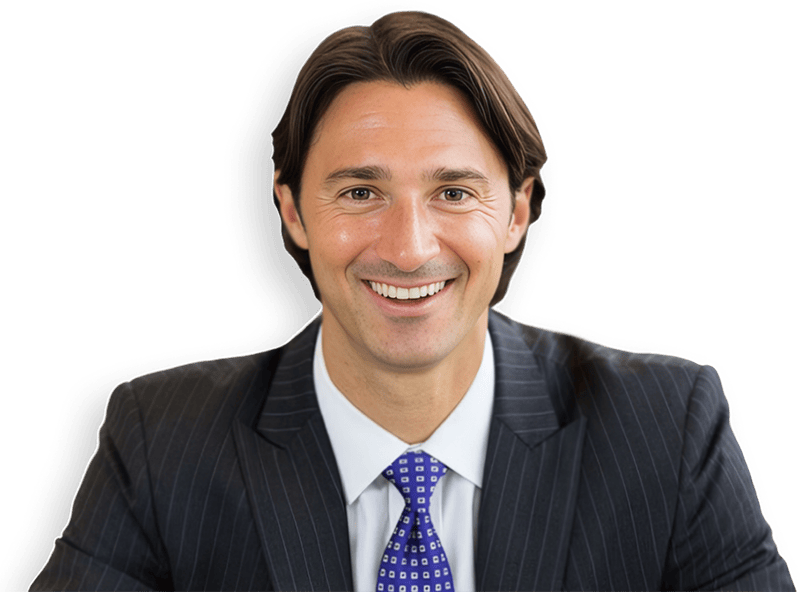
Anthony Contrucci, a married-in fifth-generation family member of the Schrage family that built the 130-year-old Centier Bank, details the intentional work required to transition from a single family-owned business to a thriving, multi-generational family enterprise. Serving as a key leader and family historian, Contrucci emphasizes that the true legacy is the culture and the people, not the financial institution itself.
For family business leaders committed to remaining “not for sale,” the episode offers a blueprint for durability: transitioning to a “family enterprise mindset,” building comprehensive governance structures from scratch, and actively nurturing emotional cohesion. Contrucci highlights the importance of going “slow to go fast”—demonstrating tenacity to build new structures and policies (like the family constitution) before they are urgently needed. Finally, by founding 119th Street Capital, the family has created a strategic avenue for diversification, mitigating the cyclical risks of commercial banking while scaling their “servant heart culture” by investing in culturally compatible financial services firms nationwide. This intentional strategy ensures the promise of thriving, not just surviving, 100 years into the future.
Insights From The Conversation
“The legacy is not the bank. The bank is, you know, we’re going to preserve it forever. But the true legacy, the bank’s the vehicle. The legacy is the culture. The legacy is the people”.
“You do have to go slow to go fast. It’s not built in a day”.
“I fervently believe if you are an owner or steward of a business or portfolio of businesses, just wealth more broadly, and everything is just financial in nature, right, metrics and ratios, I think there’s a really good chance that you’re always going to optimize for that”.
Big Ideas & Takeaways
Mindset Shift: From Business to Enterprise: The crucial transition from viewing the entity as “dad’s business” to adopting a sophisticated “family enterprise mindset” and building the necessary operational and governance structures (e.g., family council, family office) from scratch.
The Durability of Emotional Cohesion: Investing in foundational, non-“nice to have” elements—like publishing a family history book, hiring a historian, opening a museum, and producing a documentary—to create a tight, durable emotional connection across the family, ensuring commitment during tough times.
Strategic Diversification for Longevity: The necessity of proactively generating capital efficiency and risk-off revenue (via investments like 119th Street Capital) to counter the capital-intensive, risk-on, and cyclical nature of the core business, thereby honoring the promise to remain “not for sale”.
The Power of Story and Servant Leadership: Using history and storytelling to connect owners to the organization and codifying the “servant heart culture” by inverting the organizational chart and formalizing the Community Relations department to ensure service remains prioritized amidst industry change.
Proactive Governance and Policy-Making: Establishing governance and policies, such as the family constitution and attendance requirements, before an issue “has a name” to ensure fairness and momentum.